Information for Vets
Outpatient CT Scans for Referring Veterinary Clinics
Call Us to Refer
Our CT protocols are carefully designed to deliver the highest image quality. These detailed reconstructions are essential in veterinary diagnostics, providing clear, precise images that support accurate diagnosis and effective treatment planning. High-quality imaging is critical, as subpar scans can result in misdiagnosis or the need for repeat imaging.
When Is CT Used?
Orthopaedic conditions: including elbow or hip dysplasia, shoulder pain, lameness, fractures, and bone tumours
Head and neck issues: affecting the nose, ears, eyes, throat, skull, or brain; also stick injuries and migrating grass seeds
Spinal diseases or injuries: such as spinal compression, disc disease, or fractures
Chest conditions: including respiratory disease, chest trauma, or checking for pulmonary metastasis (to ensure cancer has not spread to the lungs)
Abdominal concerns: such as gastrointestinal obstruction, liver shunts, masses or tumours in organs like the liver, kidneys, pancreas, or adrenal glands, and complicated pancreatitis
Urinary issues: including ectopic ureters, stones in the ureters, bladder, or urethra, and prostate disease
Cancer monitoring: metastasis checks prior to surgery
Surgical planning: for procedures such as fracture repair or tumour removal
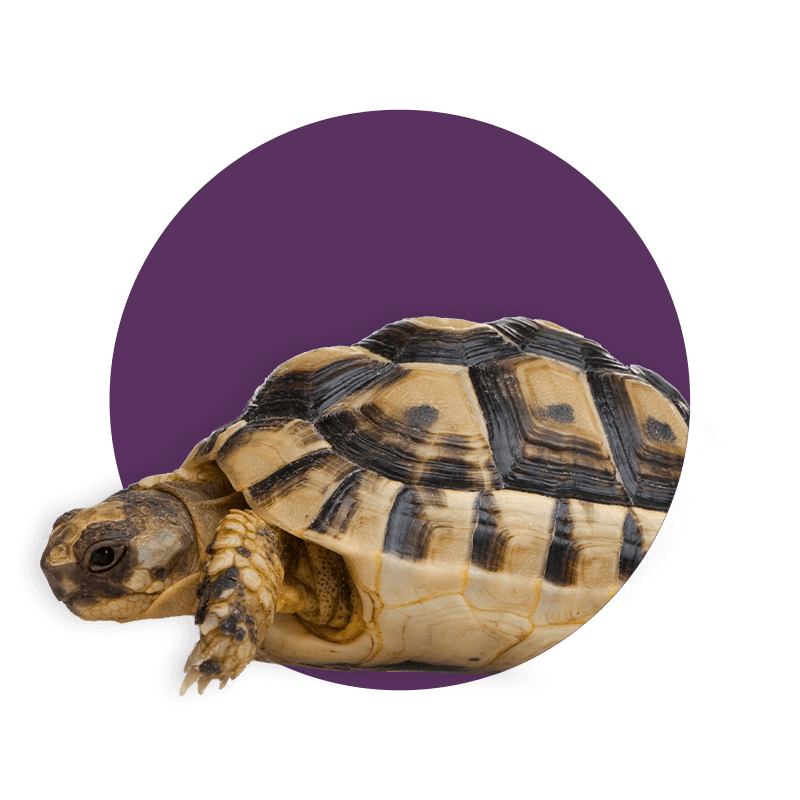
Exotic species: CT scans are also available for rabbits, guinea pigs, ferrets, birds, and reptiles